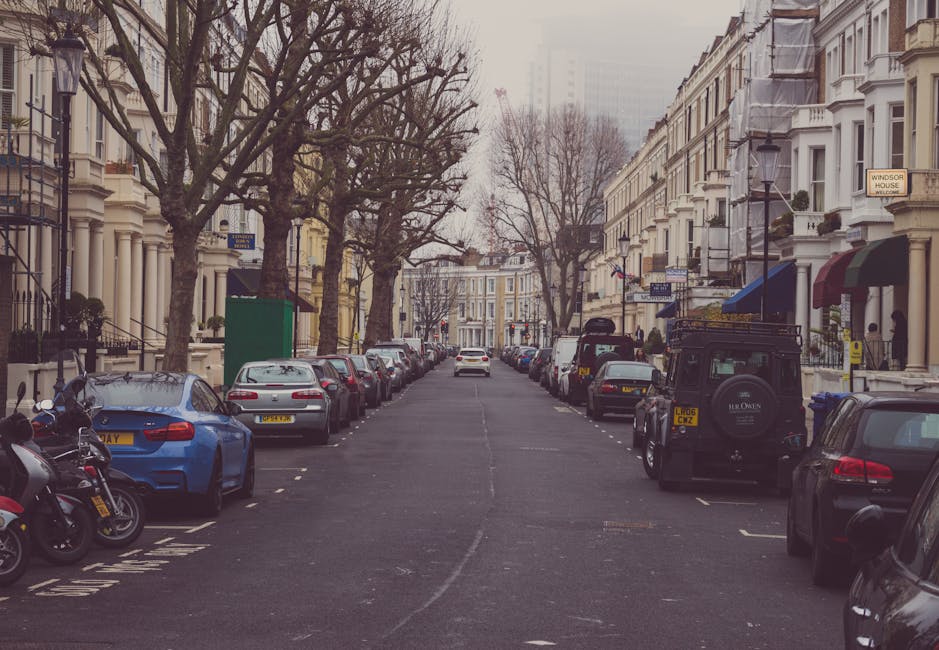
What to know about parking permits for Chelsea removals

If you are planning a move in Chelsea, parking is rarely a small detail. It can be the difference between a calm loading job and a van circling the street while everyone gets more stressed by the minute. What to know about parking permits for Chelsea removals comes down to one simple idea: if the removal vehicle cannot stop legally and close enough to your property, the whole move becomes slower, harder, and sometimes more expensive.
Chelsea streets can be busy, narrow, and unforgiving at peak times. Add limited loading space, resident bays, yellow lines, CPZ rules, and the practical reality of a sofa that does not like stairs, and suddenly parking turns into a moving-day issue you cannot ignore. The good news? With a bit of planning, it is very manageable.
This guide explains how parking permits usually work for Chelsea removals, why they matter, when you need one, how to prepare, and what mistakes to avoid. It is written to help you plan properly, not to overwhelm you with jargon. Truth be told, a little parking prep often saves a lot of grief later.
- Why parking permits matter in Chelsea removals
- How parking permits for Chelsea removals work
- Key benefits and practical advantages
- Who needs this and when it makes sense
- Step-by-step guidance
- Expert tips for better results
- Common mistakes to avoid
- Tools, resources and recommendations
- Law, compliance, standards and best practice
- Options, methods and comparison table
- Case study or real-world example
- Practical checklist
- Conclusion
- Frequently asked questions
Why parking permits for Chelsea removals matters
Parking is not just a convenience issue during a house move. It affects timing, lifting distance, access to your front door, risk of damage, and even whether the removal team can work safely. In Chelsea, where streets may be tight and on-street parking can be in high demand, a bad parking plan can create a domino effect. The van ends up further away, the team carries items longer, the move takes more time, and the mood of the day goes downhill. Fast.
For many removals, the ideal setup is simple: the vehicle parks as close as possible to the property, ideally in a legal loading area or a bay that has been arranged in advance. That is not always possible without a permit or formal parking arrangement. If the moving vehicle is blocking access, parked in the wrong place, or forced to wait for a space, delays can build quickly. And delays during a removal usually mean extra labour time, extra pressure, and more chance of something being knocked or scratched.
There is also a trust element here. A professional move feels much smoother when the parking side is sorted before the boxes start coming out. It tells you the job has been planned properly. If you are comparing service providers, it is worth checking whether they help with access planning too. For broader removal support, pages like removal services, man with van, and house removals can be useful starting points when you want to understand the moving side as well as the parking side.
Expert summary: in Chelsea removals, parking is part of the move itself, not an afterthought. If the vehicle cannot stop close and legally, everything else tends to take longer.
How parking permits for Chelsea removals works
Parking permits for removals are usually about giving a vehicle temporary permission to stop or park in a place where it otherwise might not be able to, or arranging access in a controlled way. In practice, this can mean a permit for a bay, a loading area, or another controlled parking space near your property. The exact process can vary depending on the street, the type of bay, the time of day, and local restrictions. Chelsea is not a one-size-fits-all area, which is a polite way of saying you really do need to check the details.
Most of the time, the workflow looks like this:
- Check the parking situation outside both the collection and delivery addresses.
- Identify whether there are resident bays, pay-and-display bays, loading restrictions, or yellow line rules.
- Decide whether a formal permit, a dispensation, or a loading arrangement is needed.
- Apply with enough lead time so the permit is approved before moving day.
- Make sure the move team knows exactly where the vehicle can stop and for how long.
One thing people often miss is that the removal vehicle might need different access at each end of the move. Your Chelsea flat may have a tricky street, while the destination may be easier. Or the reverse. It sounds obvious when written down, but on moving day, obvious things get forgotten. It happens.
For example, a small flat move may work with a compact vehicle and a short loading window, while a larger family move may need more time, more street space, and a stronger plan around parking. If you are using a service like man and van removals or moving van, the parking needs may be different from a larger team with a bigger vehicle. That is why it helps to discuss access early rather than assuming the street will sort itself out.
Key benefits and practical advantages
Getting the parking side right is not glamorous, but it pays off in very practical ways. The benefits are mostly about control. You know where the van will stop, how long it can stay there, and how much carrying is involved. That makes the rest of the move easier to manage.
- Less wasted time: No circling for a space while the crew waits on the pavement.
- Safer lifting: Shorter carrying distances mean fewer trips and less strain.
- Lower risk of damage: Fewer long carries through gates, tight hallways, and traffic.
- Smoother coordination: The team can work to a proper plan instead of improvising.
- Better timing: Loading and unloading are more predictable.
- Reduced stress: You are not trying to solve parking while unpacking kettles and chargers.
There is also a financial angle. Parking issues can increase job duration, and time matters in removals. Even a modest delay can have a knock-on effect if the move involves waiting, shuttling items, or keeping the vehicle on standby. Nobody wants to pay for avoidable friction. To be fair, that is rarely the highlight of moving day.
If you are planning a home move and want support that goes beyond the vehicle itself, it may be worth looking at home moves, house movers, or packing and unpacking services so the whole job feels joined up.
Who this is for and when it makes sense
Parking permits are relevant for almost anyone moving in or out of Chelsea, but they matter most when the street is busy, the building has limited access, or the removal vehicle needs to stop very close to the entrance. If that sounds like your situation, you will want to think about the parking plan early.
This is especially important if you are:
- moving from a flat with no private driveway or forecourt
- living on a road with resident parking controls
- moving during a busy weekday slot
- using a larger van or removal truck
- moving bulky items such as wardrobes, beds, or appliances
- organising an office move where timing and access are tight
Office relocations bring their own headaches, by the way. If the vehicle cannot park near the entrance, the move team may end up handling IT equipment, archive boxes, and office furniture over a longer distance than planned. That is awkward at best and risky at worst. For those moves, pages like office removals and office relocation services can help frame the larger picture.
On the other hand, if you have off-street parking, an accessible courtyard, or a loading bay already arranged through your building management, the permit question may be simpler. Still, it is wise to confirm everything before the van arrives. A five-minute check can save an expensive fifteen-minute panic. And yes, moving day has a habit of making small issues feel huge.
Step-by-step guidance
If you want the process to feel manageable, break it into small decisions. That is usually the trick.
- Check the address first. Look at both the origin and destination. In Chelsea, the two ends of the move may have very different parking rules.
- Measure access realistically. Is there a bay, a loading area, a private forecourt, or only the road? If you are not sure, do a quick physical check rather than guessing from memory.
- Ask what the vehicle needs. A compact van may need less space than a larger removals vehicle, but it still needs legal stopping time.
- Confirm timing. Some parking arrangements are fine in one time window and not another. Morning, lunchtime, and evening can all feel different in practice.
- Arrange the permit or dispensation. Do this early. Leave extra time because admin can be slower than you expect.
- Share the details with the move team. Give them the exact address, any parking reference, bay location, restrictions, and arrival instructions.
- Prepare a backup plan. If the nearest bay is taken, know where the next sensible stopping point is.
Here is the bit many people forget: the team needs to know not just where the vehicle can park, but how the loading will actually happen. If the nearest legal space is still a little way from the entrance, say so. It helps them bring the right equipment and pace the job properly.
If you are comparing vehicle types, removal van, moving truck, and removal truck hire are helpful pages for understanding the scale of the vehicle and the access that may be needed.
Expert tips for better results
A few small habits make a very big difference.
Always assume parking will be tighter than you hope. If the space looks barely good enough, it probably is. Chelsea has a way of humbling optimism.
Take photos of the parking setup. Especially if there is a bay, suspension notice, or building-approved loading area. Photos help everyone stay on the same page.
Keep the permit details easy to access. Print them or save them somewhere visible on your phone. You do not want to be searching through messages while the back of the van is open.
Tell neighbours if needed. A little courtesy goes a long way in narrow streets. If a space or access point will be temporarily occupied, letting people know can prevent tension.
Pack with parking in mind. If the van must park a little further away, put the items you need first near the exit. That keeps the move flowing instead of turning into a treasure hunt inside cardboard towers.
Be honest about volume. If the job is bigger than you first thought, say so early. More boxes, more furniture, more time. Simple, but easy to miss when you are busy sorting life into labels.
In our experience, the smoothest Chelsea moves are the ones where the client treats parking as part of the brief, not a side note. It sounds small. It is not.
Common mistakes to avoid
Most parking problems during removals are preventable. The usual mistakes are very human ones, which is why they happen so often.
- Leaving permit checks until the last minute: A permit request made too late can leave you with no practical option.
- Assuming the driver will sort it on arrival: Some things can be handled on the day, but access planning should not be one of them.
- Only checking one address: The move may go smoothly out of Chelsea but not into it.
- Forgetting about loading times: A bay may be legal to use only within a specific window.
- Ignoring building rules: Some blocks have their own access procedures, and they matter.
- Underestimating vehicle size: A van may look small online but still need proper stopping space in real life.
- Not warning the move team about obstacles: Steps, narrow entrances, locked gates, and shared access all affect parking choices.
One of the sneakiest mistakes is forgetting that moving day often starts earlier than you expect. The street can be quiet at 7:30 a.m. and much busier by 9:00 a.m. That small time shift can completely change your parking options. A little annoying, yes. But very real.
Tools, resources and recommendations
You do not need complicated software or specialist equipment to handle parking well. What you need is a clear picture and a few basic tools.
- Phone camera: useful for photographing signs, bay markings, and access points.
- Notes app or checklist: keep permit details, arrival times, and driver instructions in one place.
- Site visit: ideally done before moving day, especially for a street you have not parked on in a while.
- Floor plan or room list: helps the team prioritise the heaviest or earliest-needed items.
- Printed instructions: old-school, but handy if your phone battery is already doing its own drama.
If you want to understand the service side a little better, the following pages can help you see how parking fits into the wider move: movers, man with van removal, and removals near me. For pricing-related planning, pricing and quotes is also a sensible page to review.
For trust and service standards, it is worth reading a company's policies too. Useful reference pages include insurance and safety, health and safety policy, and terms and conditions. They may not sound thrilling. They do matter, though.
Law, compliance, standards, or best practice
Parking and moving in London can involve local parking controls, building rules, and general road-use requirements. Rather than trying to memorise every detail, the safest approach is to treat compliance as a planning task. Check the signs, check the bay markings, check the time restrictions, and make sure any permission you rely on actually covers the vehicle and the timeframe you need.
As a rule of thumb, best practice includes:
- confirming parking arrangements before the removal team arrives
- not assuming commercial vehicles can use a residential space without permission
- respecting loading restrictions and road signs exactly as shown
- keeping any parking authorisation accessible on the day
- communicating clearly with your mover about access and timing
If your building has rules for service vehicles, concierge access, or lift booking, follow those too. They are not just admin noise. They are part of the practical risk control for the move. And yes, they can feel like one more form to fill in when you are already up to your elbows in labels and bubble wrap. Still worth it.
Professional movers should also work in line with sensible health and safety practice, especially where long carries, tight stairways, or traffic exposure are involved. That is one reason it helps to use a team that treats access planning seriously rather than casually.
Options, methods, or comparison table
Not every Chelsea move needs the same parking approach. Here is a simple comparison of the main options people usually consider.
| Parking or access option | Best for | Strengths | Limitations |
|---|---|---|---|
| Pre-arranged permit or dispensation | Busy streets and controlled bays | Most predictable; reduces uncertainty | Needs planning and approval time |
| Legal loading bay | Short, efficient moves | Close access; efficient loading | May have strict time limits |
| Private driveway or forecourt | Properties with off-street access | Very convenient; fewer street issues | Not available for many Chelsea homes |
| Nearby legal parking with longer carry | When close parking is unavailable | Flexible fallback option | Longer handling time; more physical effort |
In real life, the best option is usually not the fanciest one. It is the one that is legal, practical, and easy for the moving team to use. A permit is often a quiet hero here. Not exciting. Very effective.
Case study or real-world example
Imagine a two-bedroom flat move from a Chelsea side street on a Friday morning. The property has no private driveway, the road is narrow, and the nearest parking is in a controlled bay a short distance away. Without planning, the van might arrive, find the bay full, and spend ten minutes looking for an alternative. That ten minutes becomes twenty because the replacement space is further away than expected. Boxes start piling up. The staircase gets busy. Everyone starts feeling rushed.
Now compare that with a planned approach. The client checks access the day before, confirms the legal parking arrangement, sends the details to the move team, and keeps a backup option in mind. The van arrives, stops where it should, and the first load goes out on time. The move is still a move, so it is not magical, but it feels more controlled. Fewer pauses. Fewer surprises. Better mood all round.
That difference is especially noticeable when furniture is involved. A wardrobe carried an extra twenty metres sounds minor on paper. In practice, it can be the moment when a scuff happens, a door gets clipped, or a team member has to stop and reset their grip. Chelsea moves reward good preparation. They really do.
Practical checklist
Use this checklist before move day. It keeps things grounded.
- Confirm the collection and delivery addresses.
- Check whether both streets have parking restrictions.
- Look for resident bays, loading bays, yellow lines, or private access.
- Check whether a permit, dispensation, or building approval is needed.
- Confirm the vehicle size with your mover.
- Share any access notes, gates, lifts, or entry codes.
- Prepare a backup parking option.
- Keep permit or permission details handy on the day.
- Tell the move team about awkward items or long carries.
- Have a contact number ready in case anything changes.
Practical takeaway: if you prepare the parking properly, the rest of the Chelsea move becomes much easier to manage. Not perfect, just easier. And sometimes that is exactly what you need.
If you are still weighing up your move options, it may help to review removals, man with a van, and removal company pages to match the level of service to the complexity of your parking situation.
Conclusion
What to know about parking permits for Chelsea removals can be summed up simply: do not leave parking to chance. In an area where access can be tight and streets can be busy, the quality of your parking plan often shapes the quality of the move itself. A clear permit arrangement, a sensible backup, and honest communication with the removal team can save time, reduce stress, and lower the risk of problems on the day.
That does not mean every move needs a complicated parking workaround. Sometimes the solution is straightforward. But it always pays to check early, because Chelsea has a way of making assumptions expensive. A little diligence now can make the whole day feel calmer later.
Get a free quote today and see how much you can save.
And if you are planning a move soon, take a deep breath. Sort the parking first, then everything else starts to look more manageable.
Frequently Asked Questions
Do I always need a parking permit for a removal in Chelsea?
Not always. It depends on the exact street, the type of parking restrictions in place, the time of day, and whether there is private or off-street access. Some moves can be handled with a legal loading bay or an existing arrangement, while others need a formal permit or dispensation.
Who usually applies for the parking permit?
That can vary. Sometimes the customer arranges it, especially if it involves a building or local parking contact. In other cases, the removal company may advise on the process or help identify what is needed. The key thing is to decide early, not on the morning of the move.
How far in advance should I sort parking for a Chelsea move?
As early as possible. The safest approach is to check several days ahead if you can, especially for busy streets or larger removals. Leaving it until the last minute can make the plan fragile, and nobody enjoys that particular kind of moving-day stress.
What happens if the van cannot park near my property?
The team may need to load and unload from a more distant legal space, which can take longer and make the job more physically demanding. That can also increase the chance of delays or awkward carries. A backup plan is always a good idea.
Can a removal van stop briefly on yellow lines?
Do not assume so. Waiting, loading, and stopping rules vary by location and signage. The safest approach is to check the restrictions on the street itself and work only within what is actually allowed. If in doubt, treat it as not permitted until confirmed otherwise.
Does a smaller van make parking easier in Chelsea?
Usually, yes, but only to a point. A smaller vehicle may fit more easily into tight spaces or loading bays, yet it still has to park legally and safely. Vehicle size helps, but it does not replace proper access planning.
What if my building has its own moving rules?
Follow them. Many buildings have booking slots, lift reservations, service entrance rules, or requirements for advance notice. These rules matter just as much as street parking, and sometimes more so. A move can be delayed by building management even when the road itself is fine.
Is parking planning important for office removals too?
Very much so. Office moves often involve more items, tighter timing, and more people moving in and out of the building. If the vehicle cannot park close enough, the move may take much longer than expected. That is why access planning is a big part of commercial moves and office relocation work.
How do I know whether my street is suitable for loading?
Check the signs, the bay markings, and the time restrictions on the street. If you are unsure, do a quick site visit before the move or speak with the mover and describe the layout clearly. A photo of the parking area can be surprisingly helpful.
Can parking issues increase the cost of my removal?
They can, indirectly. If the vehicle has to park further away, if the team has to wait, or if the job takes longer because access is awkward, the overall move may become more time-intensive. This is why careful parking preparation often protects the budget as well as the schedule.
What is the single best thing I can do to avoid parking problems?
Confirm the exact parking situation before moving day and tell the removal team in plain language. If there is one thing to get right, it is that. Everything else flows more smoothly when the parking plan is realistic.